Why Inclusion Needs to Be Centre Stage: Our Experience at the ADCH Conference 2025
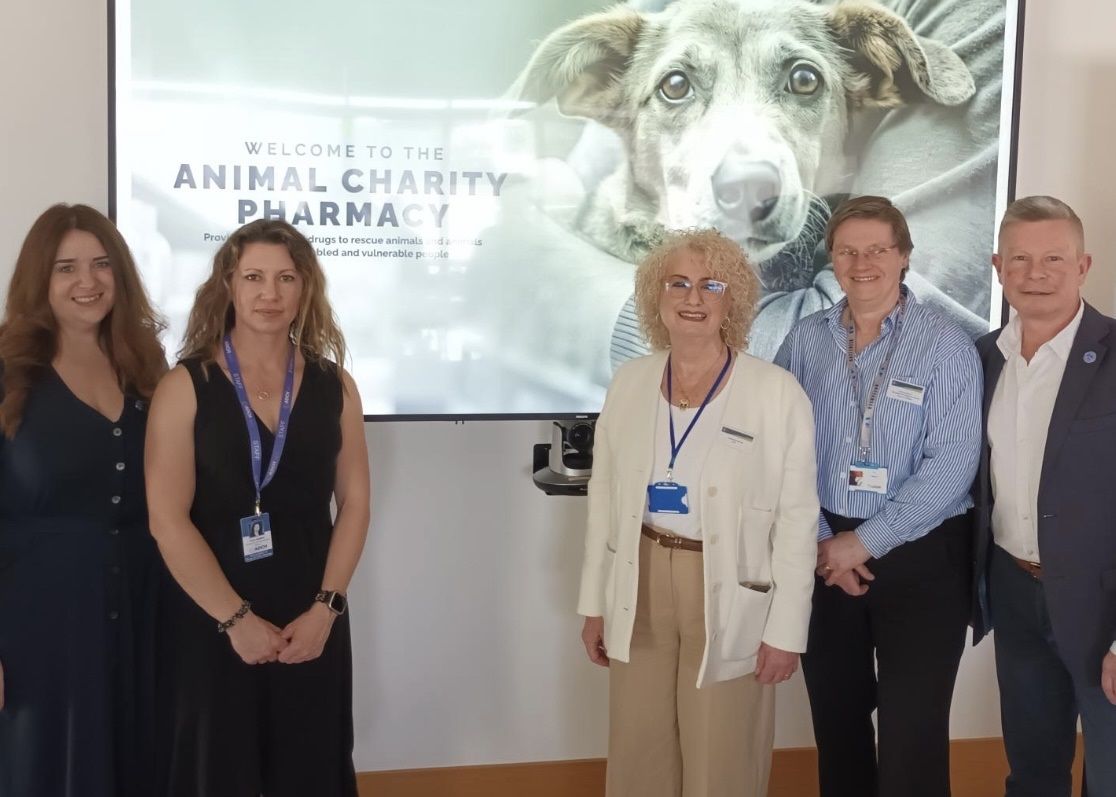
At EventWell, we believe inclusion shouldn’t be an afterthought, and belongs in the heart of the event — visible, valued, and vital. That’s exactly how we approached this year’s ADCH Conference, where we were proud to be the official NeuroInclusion Partner.
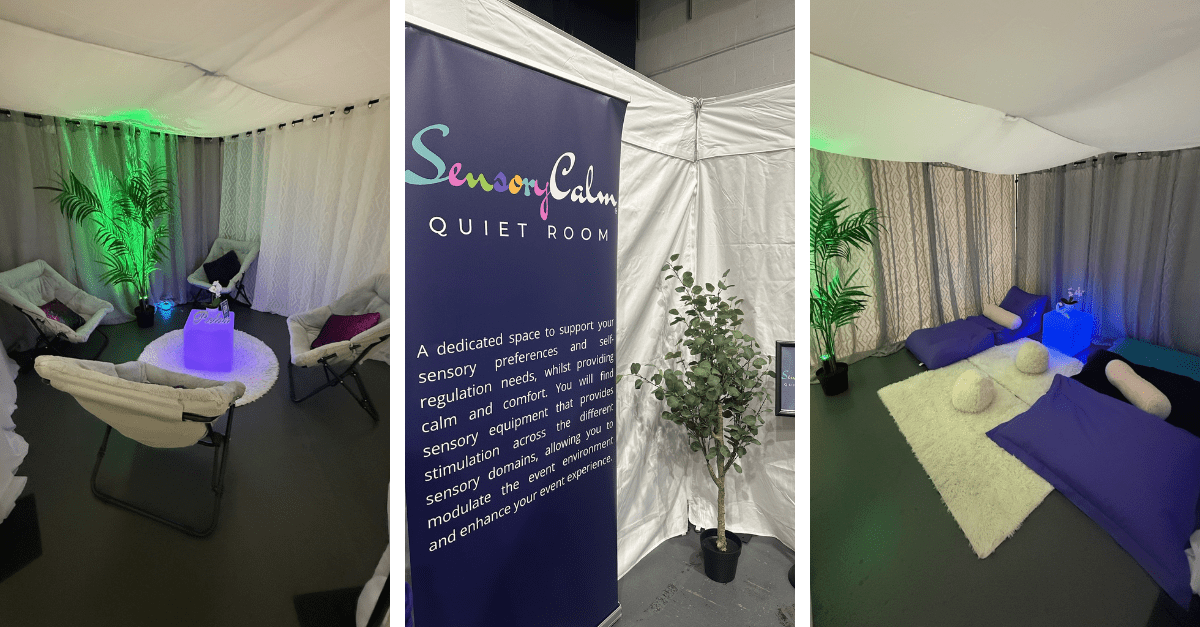
To support delegates, we delivered one of our SensoryCalm Quiet Rooms — a trauma-informed, fully supervised space designed to offer attendees a calm and safe place to pause, decompress, and return to the event on their own terms. We also provided an EventWell Host, trained in mental health and neuroinclusive practice, to offer compassionate support throughout the two days.
We’re not just about creating “quiet spaces”. We’re about creating safe spaces – and there’s a world of difference.
What We Do (And Why It Matters)
At EventWell, we specialise in supporting neurodivergent and disabled event attendees through:
• SensoryCalm Quiet Rooms and Snugs
• SensoryGarden biophilic wellbeing spaces
• Trained EventWell Hosts and Buddies
• Mental health first aid support and decompression sessions
• Education and training for organisers on neuroinclusive design
Our work is built on the lived experiences of our neurodivergent-led team and underpinned by three core sensory overwhelm triggers that come up time and time again in our research:
• Crowds
• Noise
• Navigation
Noise gets the most airtime, but here’s the reality: not all neurodivergent people are affected by noise — some thrive in it, some don’t even register it. Crowds and navigation, however, are consistently overlooked, and they’re huge. Moving through a busy, visually noisy, disorienting venue can send anxiety skyrocketing, especially when there’s no clear signage, maps, or escape routes.
It’s a natural instinct to place sensory and quiet spaces “somewhere quiet” — but actually, that’s often the wrong choice. When someone is in overwhelm, sensory shutdown, or rising anxiety, they need support fast. If that space is hidden, they may not find it — or might feel excluded just trying to get to it. That’s why where a sensory space is placed matters. A tucked-away back corner doesn’t help if you’re panicking and can’t find it, it will only feed the overwhelm.
Putting the SensoryCalm room in a central, visible location at the ADCH Conference also helped normalise its presence. It said: “This is part of the event. You belong here.” It also meant that in moments of rising distress or shutdown, attendees could find it fast — no maze of corridors, no extra stress.
Sensory Decompression Isn’t a Luxury — It’s a Need
Modern events are sensory stimulation on steroids — lighting, sound, movement, conversation, all hitting the nervous system at once. For many neurodivergent people, this builds up as sensory load. Without a chance to offload, the body and brain can go into shutdown or meltdown.
That’s where sensory decompression comes in — a deliberate downshift in stimulation to help the nervous system reset. Our rooms are designed with this in mind: neutral tones, soft lighting, tactile elements, breathable layouts, and a host trained to support without pressure or judgement.
Inclusion That’s Felt — Not Performed
We received beautiful feedback from attendees who said the room made the difference between being able to stay all day or having to leave early. That’s the point. That’s the magic.
At EventWell, inclusion isn’t something we do for the optics. It’s in our DNA. It’s baked into our design, our delivery, our hosting, and our why. We do spaces that work – because we’ve needed them ourselves.